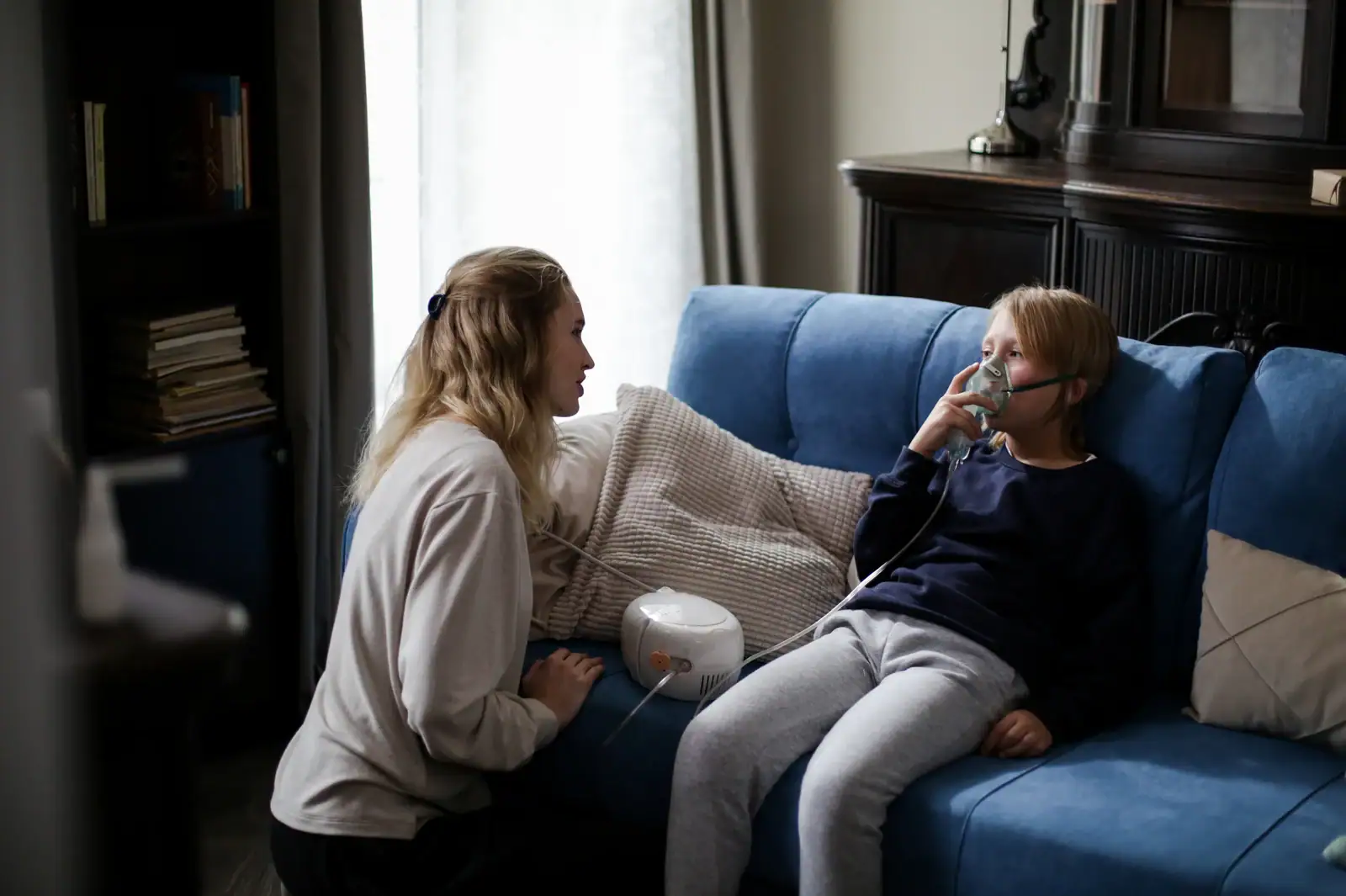
As the fall season approaches in Augusta, GA, parents should be aware of potential asthma triggers that can affect their children. Dr. Quan Johnson, MD, emphasizes the importance of recognizing these triggers to ensure your child’s health and well-being. Understanding how seasonal changes can impact asthma is crucial for effective management and prevention.
Common Asthma Triggers in Fall
During the fall, several environmental factors can exacerbate asthma symptoms in children. Here are some common triggers:
- Pollen: Ragweed pollen is prevalent in the fall and can lead to increased allergic reactions.
- Dust Mites: As children return to school, increased exposure to dust in classrooms can trigger asthma symptoms.
- Air Quality: Cooler temperatures can lead to poor air quality, which may worsen respiratory conditions.
- Respiratory Infections: Fall marks the beginning of cold and flu season, which can trigger asthma exacerbations.
Recognizing Symptoms of Asthma
It’s essential for parents to recognize the symptoms of asthma in their children, especially during this season. Common symptoms include:
- Coughing, especially at night or during play.
- Wheezing or a whistling sound when breathing.
- Shortness of breath or difficulty breathing.
- Chest tightness or pain.
If you notice these signs, it’s important to consult with your pediatrician to discuss your child’s condition and management options.
Preventive Measures for Parents
To help prevent asthma attacks this fall, parents can take several proactive steps:
- Keep windows closed during high pollen days.
- Use air purifiers to reduce dust and allergens in the home.
- Encourage your child to wash hands frequently to prevent infections.
- Ensure your child is up-to-date with their vaccinations, including the flu shot, to protect against respiratory illnesses.
For more information on vaccinations, check out our guide on when children should get a flu shot.
When to Seek Care
If your child experiences any worsening symptoms, it is crucial to seek medical attention. Look for these signs:
- Rapid breathing or difficulty catching their breath.
- Persistent coughing or wheezing that does not improve with medication.
- Blue or gray color around the lips or face.
- Increased use of rescue inhaler or medication.
Get Help in Augusta
At Valcourt Pediatrics, we are dedicated to providing personalized care for your child’s asthma management. Our experienced team is here to support you and your child through this season. Don’t hesitate to reach out for guidance and care tailored to your child’s needs.
Schedule an appointment with us to discuss any concerns you may have regarding your child’s asthma.
Call Valcourt Pediatrics — (706) 955-4639
Contact us today
FAQ
What are common signs of asthma in children?
Common signs of asthma in children include coughing, wheezing, shortness of breath, and chest tightness. If you notice these symptoms, consult your pediatrician.
How can I help my child manage their asthma during fall?
To manage your child’s asthma during fall, keep windows closed on high pollen days, use air purifiers, and ensure they are up-to-date on vaccinations.
When should I take my child to the doctor for asthma symptoms?
You should take your child to the doctor if they experience rapid breathing, persistent coughing or wheezing, or if their lips or face turn blue.